

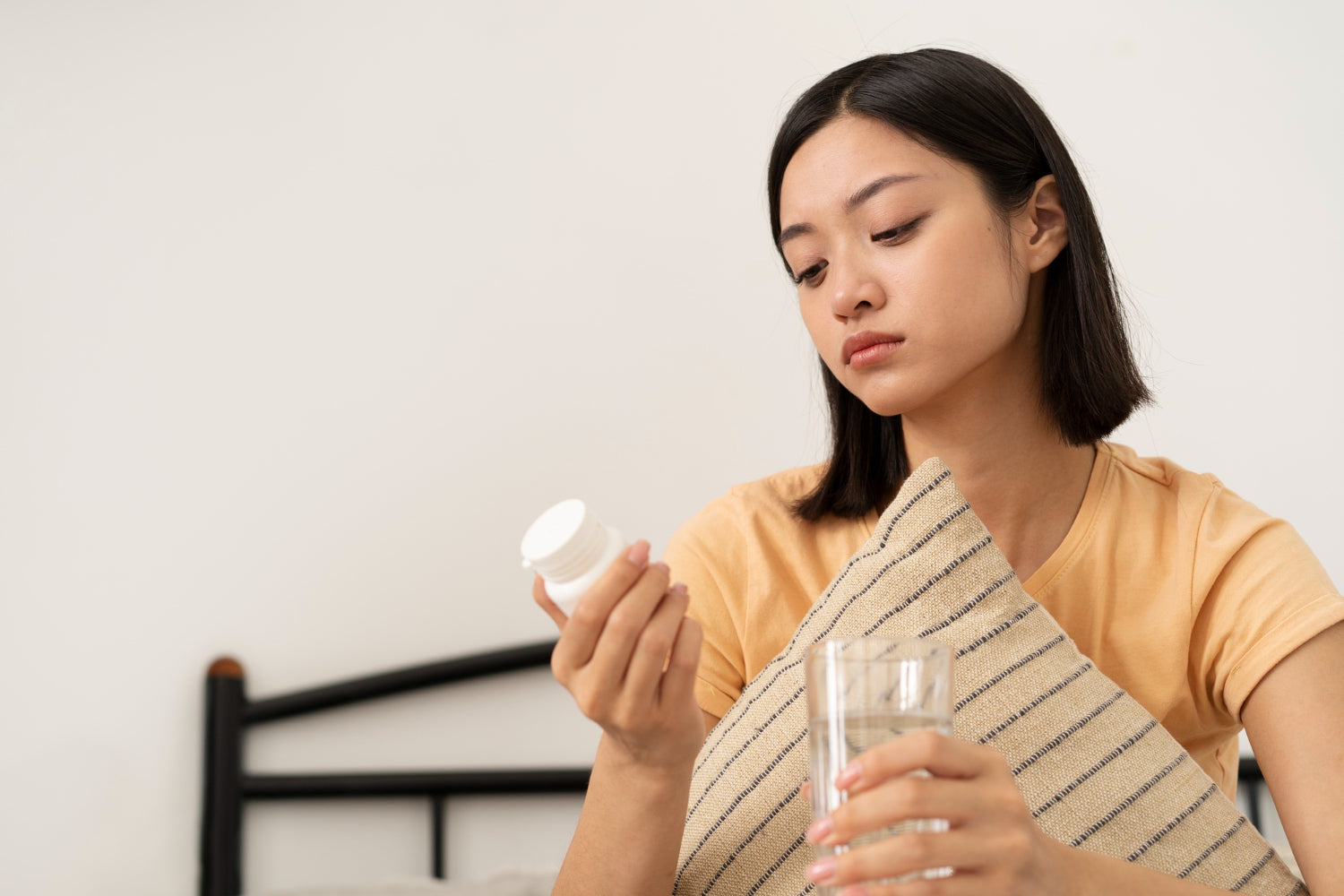
Probiotics can help clear your skin by reducing inflammation, balancing your skin's natural bacteria, and supporting overall skin health from within. These beneficial microorganisms work both internally through dietary supplements and fermented foods, and externally through topical skincare products. Research shows probiotics effectively manage common skin concerns including acne, redness, and inflammatory flare-ups by restoring bacterial balance in your gut and on your skin's surface. This comprehensive guide explores how probiotics transform skin appearance, which strains offer specific benefits, and practical ways to incorporate them into your daily routine. You'll discover the science-backed connection between gut health and clear skin, plus actionable steps to achieve visible improvements in your complexion naturally.
Understanding Probiotics
Probiotics are microscopic living organisms that naturally inhabit your digestive system and support your overall health. These beneficial microbes work to restore balance and maintain healthy bacterial populations throughout your intestines. You can obtain probiotics through supplement capsules in capsule or powder formulations at various health retailers. Natural food sources also provide these helpful organisms through fermented options like cultured dairy alternatives, vinegar products, and pickled vegetables. When selecting fermented foods as your probiotic source, prioritize options that are organic and contain no added sugars. Common probiotic strains include lactic acid bacteria and other beneficial species that support digestive wellness. Different strains offer varying benefits, so exploring multiple sources can enhance your overall microbial diversity. These tiny helpers play a crucial role in maintaining your body's natural bacterial ecosystem every single day.
How Probiotics Support Your Health
Your body can accumulate harmful substances that interfere with proper nutrient absorption and trigger inflammatory responses throughout your system. Supporting a healthy digestive environment helps reduce the circulation of these unwanted toxins in your body. Probiotics work to maintain this optimal digestive balance, allowing your system to function more efficiently. When your gut flora remains balanced, your body can better absorb essential vitamins from food. These beneficial organisms create a protective barrier against harmful substances that compromise your overall wellness. Beyond internal consumption, probiotic formulations can directly influence the bacterial balance on your skin's surface. Applying these formulations externally helps shape the microbial community that naturally lives on your skin. This dual approach allows you to address both internal health and external appearance simultaneously for comprehensive benefits.

Skin Health Advantages
Beneficial bacteria can effectively manage inflammatory skin concerns such as breakouts and facial redness that many people experience. These microorganisms also work well alongside antibiotic treatments, providing additional support during active therapy protocols. Research has demonstrated that probiotic use helps soothe irritated skin and significantly reduces the frequency of problematic flare-ups. Studies focusing on prenatal health have revealed that mothers taking high-strength probiotics may lower their children's likelihood of developing eczema. This preventive benefit extends across generations, showing how internal bacterial balance influences long-term skin health outcomes. Selecting appropriate probiotic-infused skincare products that match your specific needs remains crucial for achieving optimal results. Different skin concerns require different bacterial strains, so understanding your unique needs helps guide proper skin protection selection. Incorporating these products into your daily skincare regimen can create lasting improvements in your skin's appearance and comfort. Taking a personalized approach ensures you receive maximum benefits from your hair and skin wellness over time.
Conclusion
Probiotics offer a scientifically backed approach to achieving healthier skin by addressing wellness from the inside out. The connection between gut health and skin appearance demonstrates how internal bacterial balance directly impacts your external radiance. Incorporating cellular energy supplements into your daily routine can lead to visible improvements in skin clarity and overall vitality.
Start exploring wellness solutions that align with your specific health goals and skin concerns for optimal results. Whether you choose fermented foods, premium CoQ10 formulas, or enhanced absorption supplements, consistency remains key to experiencing lasting benefits. Take the first step toward transforming your skin health by making probiotics an essential part of your wellness strategy with omega fatty acids for complete nutritional support.
FAQs
How long does it take to see skin improvements from probiotics?
Most people notice visible skin improvements within four to twelve weeks of consistent probiotic use. Your skin's response time depends on your specific concerns, overall health, and the strains you're using. Patience and consistency matter most for lasting results.
What's the best time of day to take probiotic supplements?
Take your probiotic supplements 30 minutes before breakfast on an empty stomach for optimal absorption and effectiveness. This timing allows beneficial bacteria to pass through your stomach acid more easily. Evening doses work well too if mornings don't fit your schedule.
Can probiotics cause any side effects when starting them?
You might experience mild bloating, gas, or digestive changes during your first few days of taking probiotics as your system adjusts. These temporary effects typically disappear within one to two weeks. Start with lower doses and gradually increase for easier tolerance.
Do probiotic supplements need to be refrigerated to stay effective?
Many probiotic strains require refrigeration to maintain their potency and viability, especially after opening the container. Always check your product's label for specific storage instructions. Shelf-stable formulations use specially designed capsules that protect bacteria at room temperature.
Should I take probiotics if I'm currently on antibiotics?
Yes, take probiotics at least two hours apart from your antibiotic doses to protect beneficial bacteria from being destroyed. Continue probiotics for several weeks after finishing antibiotics to restore your gut's healthy bacterial balance. This combination supports faster digestive recovery.