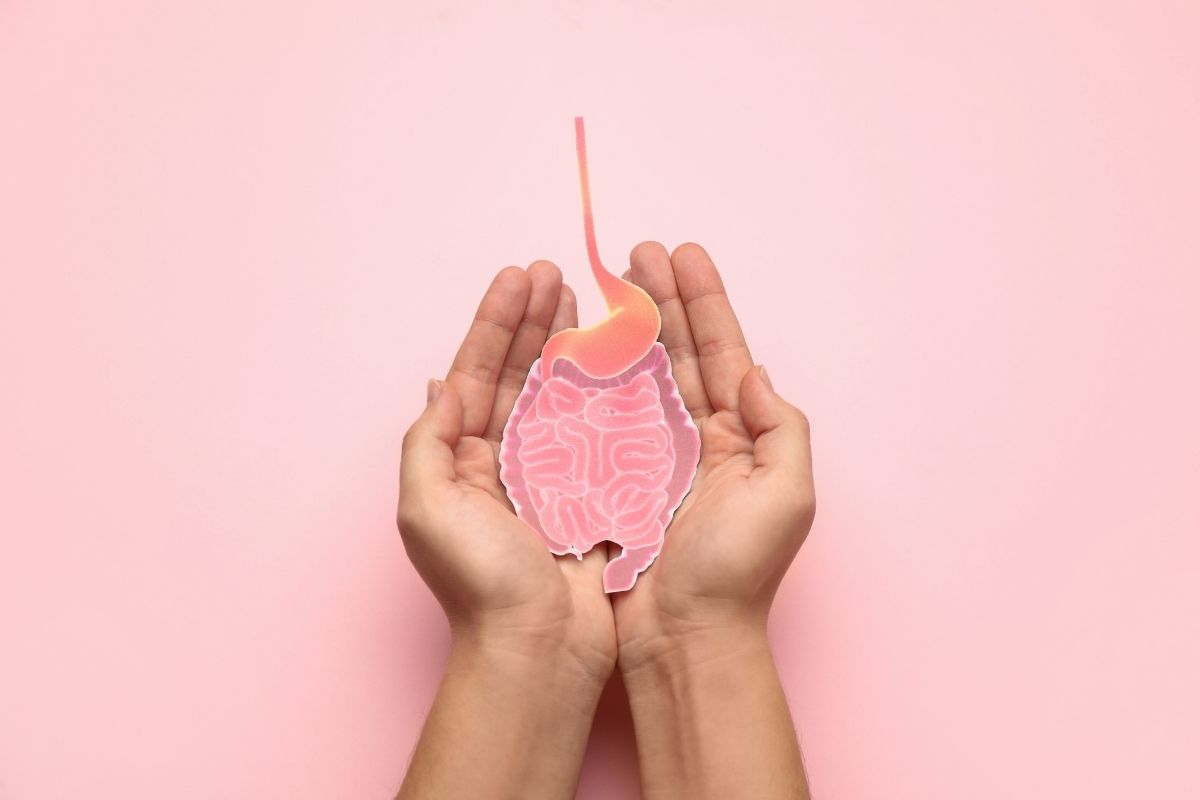


An unhealthy gut affects approximately 60-70 million Americans annually, manifesting through 10 distinct warning signs that impact digestion, immunity, mental health, and overall well-being. Your gut microbiome, containing trillions of beneficial bacteria, plays a critical role in nutrient absorption, immune function, serotonin production, and inflammation regulation. Nature Span specializes in evidence-based digestive wellness solutions that support optimal gut bacterial balance. When this bacterial balance deteriorates, your body sends clear distress signals.
Research links gut health imbalances to conditions ranging from chronic fatigue and sleep disturbances to autoimmune disorders and persistent skin problems. While genetics and physiology influence your digestive system, controllable factors like diet, stress management, and lifestyle choices determine whether your gut functions optimally or struggles with daily processing.
Key Takeaways:
- Frequent digestive discomfort (gas, bloating, constipation, diarrhea, heartburn) indicates your gut struggles to process food and eliminate waste properly.
- Chronic fatigue and sleep problems often stem from gut imbalances, as nearly 50% of people with persistent exhaustion report digestive issues.
- Your gut produces 90% of your body's serotonin, which regulates mood and sleep, bacterial imbalances directly affect mental health and emotional stability.
- Unexpected weight changes and intense sugar cravings signal poor nutrient absorption and harmful bacteria overgrowth in your digestive system.
- Skin conditions like acne, eczema, and psoriasis frequently connect to gut inflammation, while frequent headaches and migraines often accompany digestive disorders.
- Autoimmune conditions, including thyroid dysfunction, rheumatoid arthritis, and Type 1 diabetes, show direct links to unhealthy gut bacteria.
- Restore gut balance through daily probiotics, mindful eating, adequate hydration, regular exercise, 7-8 hours of sleep, stress management, and eliminating food intolerances.
- Reducing processed foods and added sugars while increasing fiber-rich plant-based foods supports beneficial bacteria diversity and overall digestive function.
This comprehensive guide identifies the 10 most common signs of poor gut health and provides evidence-based solutions to restore digestive balance. Whether you're experiencing frequent bloating, unexplained weight changes, or mood instability, understanding these warning signs helps you take targeted action before minor symptoms escalate into chronic conditions.

Warning Signs Your Gut May Be Unhealthy
Multiple factors influence your gut health. Your family history and genetics play a role in how your digestive system functions. Your body's unique structure also matters. However, you can control certain factors like stress levels and dietary choices. When your gut works well, beneficial bacteria help process food efficiently. These helpful microorganisms support energy production from nutrients. They also eliminate toxins and strengthen your immune defenses. A balanced gut promotes better mood regulation, too. You should experience minimal symptoms like diarrhea, constipation, gas, bloating, or stomach discomfort. Maintaining this balance often involves supporting your gut with targeted probiotic supplementation and healthy lifestyle choices.
Here are 10 key warning signs indicating an unhealthy gut:
1. Frequent Stomach Discomfort
Regular digestive upset signals potential gut problems. Gas, bloating, constipation, diarrhea, and heartburn indicate processing difficulties. Your gut may struggle to break down food properly. Waste elimination becomes challenging when your digestive system is imbalanced. According to nutrition experts on digestive disorders, these symptoms often worsen without proper attention to gut health.
2. Constant Fatigue and Low Energy
People with ongoing tiredness often have gut imbalances. Research shows strong connections between chronic fatigue and digestive disorders. Nearly half of individuals experiencing persistent exhaustion also report gut issues. Your energy levels depend heavily on nutrient absorption. An unhealthy gut cannot extract vitamins and minerals effectively from food. Energy and endurance support require optimal digestive function for proper nutrient utilization.
3. Sleep Problems and Insomnia
Poor gut health disrupts your sleep patterns significantly. Insomnia and restless nights often stem from digestive imbalances. Your gut produces most of your body's serotonin. This important chemical regulates both mood and sleep cycles. Bacterial imbalances or inflammation interfere with serotonin production. Supporting your gut with high-potency probiotic formulas may improve sleep quality over time.
4. Food Sensitivities and Intolerances
Difficulty digesting certain foods suggests poor gut bacteria quality. Food intolerances develop when your digestive system lacks beneficial microorganisms. You might experience bloating, gas, diarrhea, nausea, or abdominal pain after eating. These reactions indicate your gut cannot properly process specific ingredients. Research from Harvard on nutrition confirms that strengthening your gut flora helps improve food tolerance gradually.
5. Strong Sugar Cravings
Excessive sugar consumption promotes harmful bacteria growth in your gut. Too much dietary sugar creates an imbalanced microbiome environment. High sugar intake, particularly processed sweeteners, triggers body-wide inflammation. This increases your risk for various chronic diseases. An unhealthy gut often drives intense cravings for sweet foods. Reducing sugar helps restore beneficial bacteria populations naturally and supports healthy weight management goals.
6. Unexpected Weight Changes
Gut imbalances affect your body's ability to regulate weight properly. Your system may struggle with nutrient absorption and fat storage. Blood sugar regulation becomes difficult with poor gut health. The USDA dietary guidelines emphasize that unintentional weight loss or gain often results from bacterial overgrowth. Nutrient deficiencies from an unhealthy gut also contribute to weight fluctuations.
7. Skin Problems and Irritations
Various skin conditions are directly related to gut health issues. Acne, eczema, and psoriasis may stem from digestive imbalances. Inflammation in your gut often manifests through skin problems. Your skin reflects your internal digestive health status. Improving gut bacteria with probiotics can support anti-aging and skin health while promoting clearer, healthier skin over time.
8. Frequent Headaches and Migraines
Strong connections exist between gut health and headache frequency. People with regular migraines often experience accompanying nausea or vomiting. Studies indicate that frequent headache sufferers commonly have digestive disorders too. The NIH confirms that an unhealthy gut may trigger inflammatory responses affecting your head. Addressing gut imbalances can help reduce migraine occurrence and severity.
9. Autoimmune Condition Development
Harmful gut bacteria may activate autoimmune responses in your body. These conditions include thyroid dysfunction, rheumatoid arthritis, and multiple sclerosis. Type 1 diabetes also shows links to gut health problems. Your immune system becomes confused when gut bacteria are imbalanced. Supporting digestive health with probiotics helps maintain proper immune defense function.
10. Mood Swings and Emotional Changes
Gut problems directly influence your mental and emotional well-being. Inflammation in your digestive system affects your nervous system too. This connection can lead to anxiety and depression symptoms. Your gut communicates constantly with your brain through neural pathways. Global health organizations recognize that an unhealthy gut disrupts this communication, causing mood instability and emotional difficulties.

Balance Your Gut Health: Effective Ways to Combat an Unhealthy Gut
An unhealthy gut can disrupt your entire body's well-being. The good news is you can restore balance through simple lifestyle changes. These nine strategies support digestive health and help your gut microbiome thrive. Start implementing these habits today to experience lasting improvements in your overall health.
Include Probiotics in Your Daily Diet
Probiotics encourage beneficial bacteria growth in your digestive system. These live microorganisms help combat an unhealthy gut naturally. You can consume probiotics through supplements or food sources. Scientific evidence on probiotic usefulness and safety shows that yogurt, kefir, kombucha, and kimchi offer excellent natural probiotic options. Simultaneously, reduce your intake of processed foods and added sugars. Focus on obtaining nutrients from plant-based foods and lean protein sources. Consider specialized formulations like Lactobacillus gasseri supplements or 30 billion CFU probiotic blends for targeted gut support. A fiber-rich diet actively supports healthy gut function and bacterial diversity.
Practice Mindful Eating Habits
Chewing food thoroughly and eating slowly promotes complete digestion. This practice helps your body extract maximum nutrients from meals. Rushing through meals can contribute to an unhealthy gut and digestive discomfort. Public health guidelines recommend taking time to eat also improves your awareness of fullness signals.
Identify and Remove Food Intolerances
Certain foods may consistently trigger cramping, nausea, or acid reflux symptoms. These reactions often indicate a food intolerance affecting your gut health. An elimination diet can help identify specific trigger foods. Once identified, removing these foods completely can significantly improve digestive symptoms. Consider working with a qualified nutrition professional for personalized guidance. Following evidence-based nutritional principles, addressing food intolerances is essential for healing an unhealthy gut.
Stay Properly Hydrated Throughout the Day
Drinking adequate water supports your body's overall health functions. Proper hydration directly aids the digestive process and nutrient absorption. Water helps move food through your intestinal tract efficiently. Aim to drink water consistently throughout the day for optimal cardiovascular and digestive health.
Shop Smart for Gut-Healthy Foods
Plan your grocery shopping to support digestive wellness. Focus on the store perimeter where fresh produce is located. Avoid center aisles that typically contain processed foods and refined sugars. Choose colorful fruits and vegetables that provide essential nutrients. Smart shopping habits make maintaining an unhealthy gut less likely and support the liver and detoxification pathways.
Move Your Body Regularly
Physical activity improves healthy microbe populations in your digestive system. Regular exercise keeps bowel movements consistent and predictable. Movement helps prevent various diseases while boosting overall wellness. Even moderate activity can significantly benefit your gut health and microbiome balance through comprehensive wellness approaches.
Prioritize Quality Sleep Each Night
Adults should aim for seven to eight hours of sleep nightly. Adequate sleep helps balance hormones that affect digestion. Poor sleep can lead to stress and irregular eating patterns. Both factors can worsen an unhealthy gut and digestive issues. Quality rest is fundamental for maintaining optimal gut function.
Manage Stress Levels Effectively
Research indicates early life stress may increase digestive disorder risk. Finding effective stress management techniques benefits your gut health. Supplement quality standards ensure that probiotics work better when combined with stress reduction practices. Regular relaxation activities support both mental and digestive wellness. Chronic stress can significantly contribute to an unhealthy gut environment.
Quit Smoking for Better Digestive Health
Smoking damages your digestive system in multiple serious ways. It can cause heartburn, ulcers, liver disease, and cancer. Quitting smoking dramatically improves your gut health and overall well-being. Seek medical support if you need assistance stopping tobacco use. Eliminating smoking is crucial for reversing an unhealthy gut.
Consult Healthcare Professionals Regularly
Schedule appointments to discuss your digestive health concerns openly. Share all symptoms, pain levels, and recent health changes. Describe your wellness goals so your doctor can provide targeted guidance. Information from the Office of Dietary Supplements helps ensure professional medical advice addresses an unhealthy gut appropriately. Regular checkups help monitor progress and adjust your gut health strategy. Contact qualified health professionals for personalized supplement recommendations.
Conclusion
Your gut health serves as the foundation for your overall physical and mental well-being, influencing everything from energy levels and immune function to mood regulation and disease prevention. Recognizing the 10 warning signs of an unhealthy gut empowers you to take proactive steps before minor digestive issues develop into chronic conditions. The connection between your gut microbiome and various body systems demonstrates why maintaining bacterial balance is essential for optimal health.
Implementing simple lifestyle modifications like incorporating daily probiotics, practicing mindful eating, staying hydrated, exercising regularly, and managing stress can dramatically improve your digestive function within weeks. Whether you're experiencing frequent bloating, unexplained fatigue, persistent skin problems, or mood fluctuations, addressing gut imbalances offers transformative health benefits. Learn more about our commitment to evidence-based digestive wellness solutions. Start with one or two changes today and gradually build healthier habits. Consult healthcare professionals for personalized guidance, especially if symptoms persist or worsen despite lifestyle adjustments.
FAQs
How long does it take to heal an unhealthy gut?
Gut healing timelines vary depending on the severity of imbalance and consistency of treatment. Most people notice improvements in digestive symptoms within 2-4 weeks of implementing dietary changes and probiotic supplementation. Complete gut restoration typically requires 3-6 months of sustained healthy habits. Factors affecting healing speed include the specific condition, stress levels, and adherence to recommended lifestyle modifications. Severe gut damage may require longer recovery periods under professional medical supervision.
What foods should I avoid with an unhealthy gut?
Eliminate or significantly reduce processed foods, refined sugars, artificial sweeteners, and excessive alcohol consumption. Common trigger foods include gluten-containing grains, dairy products, fried foods, red meat, and highly processed oils. Spicy foods and caffeine may also irritate sensitive digestive systems. Instead, focus on whole foods, fermented vegetables, bone broth, lean proteins, and fiber-rich fruits and vegetables that support beneficial bacteria growth and reduce inflammation.
Can probiotics alone fix gut health problems?
While probiotics provide significant benefits, they work best as part of a comprehensive approach. Supplementation helps restore beneficial bacteria, but lasting improvement requires dietary changes, stress management, adequate sleep, and regular exercise. Probiotics cannot overcome poor nutrition or harmful lifestyle habits. Consider them as one essential component rather than a standalone solution. Consulting healthcare professionals ensures you choose appropriate probiotic strains for your specific needs.
Are digestive issues always related to gut bacteria imbalance?
Not all digestive problems stem from bacterial imbalances. Conditions like gallstones, celiac disease, inflammatory bowel disease, and gastrointestinal cancers require specific medical treatments. Structural abnormalities, medication side effects, and hormonal changes also affect digestion. Persistent or severe symptoms, including bloody stools, unexplained weight loss, intense abdominal pain, or difficulty swallowing, warrant immediate medical evaluation to rule out serious underlying conditions.
How do I know if my gut health is improving?
Positive indicators include reduced bloating and gas, regular, comfortable bowel movements, increased energy levels, better sleep quality, clearer skin, and improved mood stability. You may notice fewer headaches, decreased inflammation, and enhanced food tolerance. Digestive improvements typically appear within 2-3 weeks of consistent healthy habits. Keep a symptom journal to track progress objectively and identify which lifestyle changes produce the most significant benefits for your situation.