
PQQ Vs Coq10: Key Differences & Benefits
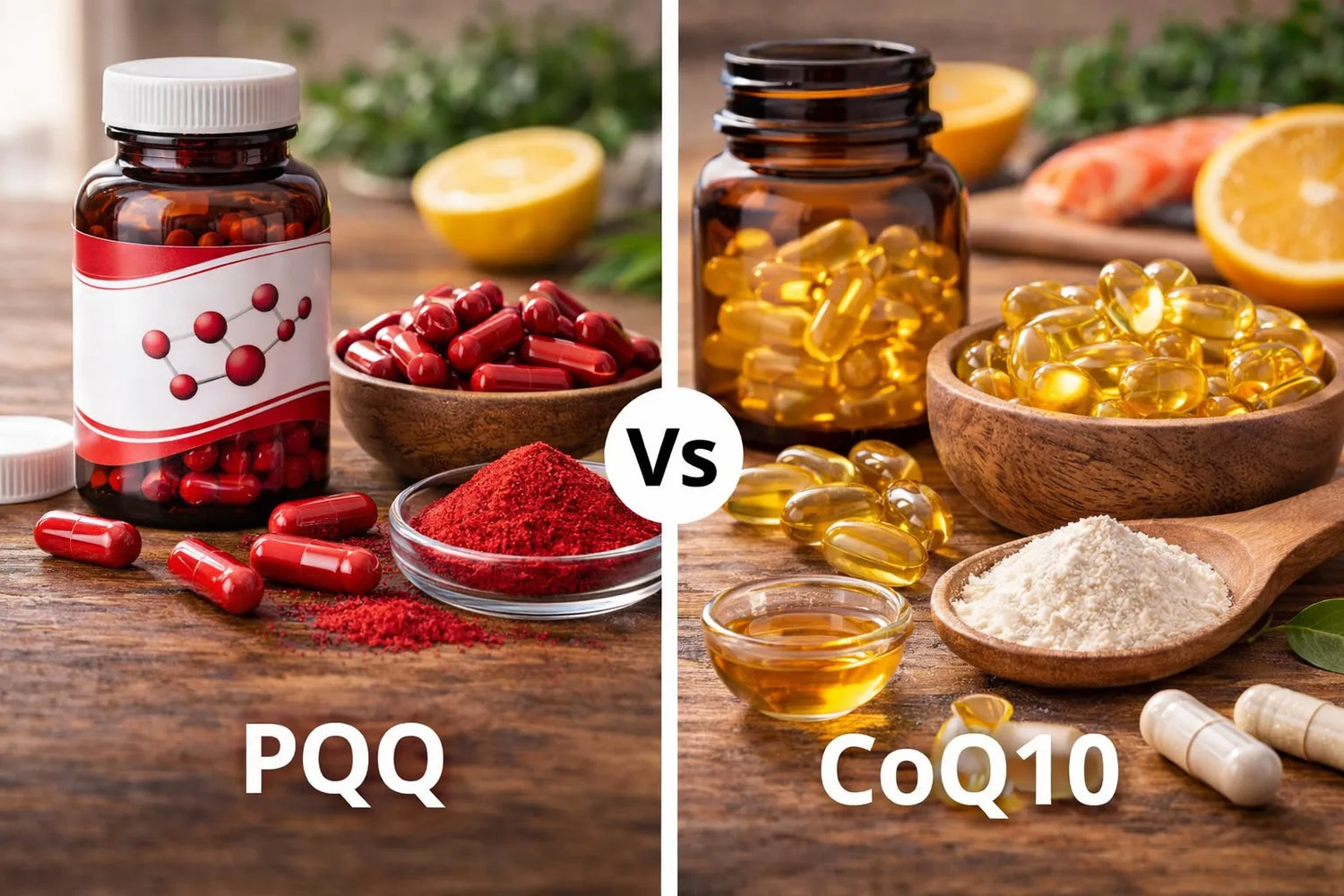
PQQ and CoQ10 are two popular supplements that support cellular health in different ways. CoQ10, or Coenzyme Q10, helps convert food into energy and protects cells from oxidative damage. It is found naturally in meat, fish, and nuts at low levels. PQQ, or Pyrroloquinoline Quinone, supports mitochondrial biogenesis and brain health as a potent antioxidant. It is found in kiwi, green peppers, and fermented soy in small amounts. CoQ10 is typically taken at 100 to 300 mg per day for heart and energy support. PQQ is commonly dosed at 10 to 20 mg per day for cognitive and mitochondrial benefits. Both are produced through laboratory fermentation and are generally well-tolerated by most adults. CoQ10 is best suited for cardiovascular health, energy production, and healthy aging support. PQQ is ideal for brain function, cellular longevity, and mitochondrial performance over time. They share antioxidant properties and work through complementary pathways when taken together. This guide compares their benefits, sources, dosages, safety profiles, and best use cases.

What Is CoQ10 and Why Does Your Body Need It?
CoQ10, also known as Coenzyme Q10, is a naturally occurring compound found in the body. It plays a key role in converting food into usable cellular energy. CoQ10 also serves as an antioxidant that protects cells from oxidative damage. It is present in most body tissues, with the highest concentration in the heart. Natural levels of CoQ10 tend to decline with age over time. Certain medications, especially statins used for cholesterol management, may also lower CoQ10 levels. Most CoQ10 dietary supplements are produced in laboratories using yeast or bacterial fermentation. They are available in two primary forms known as ubiquinone and ubiquinol. Ubiquinol is the active, reduced form that may offer improved absorption in the body. Taking CoQ10 with a meal that contains fat can further enhance its bioavailability. Research suggests CoQ10 may support cardiovascular health and overall energy production. It may also aid in exercise recovery and help reduce general fatigue levels. Some studies indicate it could lower the frequency of migraine episodes as well. Overall, CoQ10 is a well-tolerated supplement that supports cellular energy and antioxidant defense. It is especially relevant for aging adults and those focused on heart health and physical performance.

What Is PQQ and How Does It Support Your Cells?
PQQ, or Pyrroloquinoline Quinone, is a naturally occurring compound found in select foods. Kiwi fruit, green peppers, and fermented soy products contain small but measurable amounts. Your body also produces trace levels of PQQ on its own through natural processes. It plays a critical role in maintaining healthy mitochondria inside your cells. PQQ also functions as a potent antioxidant that shields cells from daily oxidative damage. Most PQQ supplements are manufactured in laboratories using safe, bioidentical production methods. They are typically taken in small daily doses to support cellular function over time. PQQ is fat-soluble, so consuming it alongside a meal may improve nutrient absorption. Supplementation helps boost levels beyond what a typical diet can provide on its own. This is especially useful since natural food sources of PQQ are quite limited. Research suggests PQQ may support brain health, including memory, focus, and processing speed. Some human studies have shown cognitive improvements after 8 to 12 weeks of consistent use. It may also enhance cellular energy production and overall mitochondrial function in the body. These effects can contribute to better endurance, vitality, and support for healthy aging. Early studies indicate PQQ could benefit metabolic and cardiovascular health as well. It may help regulate fat metabolism and reduce oxidative stress at the cellular level. Overall, PQQ is a well-tolerated nutrient with promising applications for long-term wellness. While research is still developing, it shows potential for those seeking cellular vitality support. It is a practical addition for anyone focused on sustained energy, brain function, and mitochondrial performance.

How Do PQQ and CoQ10 Compare?
PQQ and CoQ10 both support cellular health, but they work in different ways. Understanding their key differences helps you choose the right supplement for your goals.
|
Feature |
CoQ10 |
PQQ |
|---|---|---|
|
Key Benefit |
Supports heart health, energy production, and cellular antioxidant protection |
Supports mitochondrial function, brain health, and cellular energy with antioxidant protection |
|
Natural Sources |
Found in small amounts in meat, fish, and nuts |
Found in certain vegetables, fruits, and fermented foods |
|
Supplement Source |
Lab-synthesized using yeast or bacterial fermentation |
Produced through controlled lab fermentation methods |
|
Recommended Dosage |
100 to 300 mg per day (common study range) |
10 to 20 mg per day (common study range) |
|
Onset Time |
Several weeks for noticeable energy or heart function effects |
Several weeks to 1 to 2 months for cognitive or energy effects |
|
Usage Cycle |
Can be taken daily on a long-term basis |
Can be taken daily long-term, sometimes cycled with CoQ10 |
|
Side Effects |
Generally well-tolerated with rare mild nausea or digestive upset |
Generally well-tolerated with rare mild headaches or digestive upset |
|
Best For |
Heart health, energy support, antioxidant protection, healthy aging |
Brain health, mitochondrial energy, antioxidant protection, cognitive performance |
Key Benefits
CoQ10 helps support heart health and boosts cellular energy production in the body. It also protects cells from oxidative damage caused by free radical activity. PQQ supports mitochondrial function and enhances brain health through its antioxidant properties. It helps maintain cellular energy while acting as a strong protective compound against oxidative stress.
Natural and Supplement Sources
CoQ10 is naturally present in small amounts in meat, fish, and nuts. Most supplements are synthesized in laboratories to deliver higher and more effective dosage levels. PQQ occurs naturally in certain vegetables, fruits, and fermented food sources. Supplements are produced through safe laboratory fermentation to ensure consistent potency and quality.
Recommended Daily Dosages
The typical daily dose of CoQ10 ranges from 100 to 300 mg for most adults. The exact amount depends on individual health needs and specific study protocols. PQQ is commonly taken in doses of 10 to 20 mg per day. This range is what most studies use to support mitochondrial and cognitive function.
How Long Before You Notice Results
Noticeable benefits from CoQ10 usually appear after several weeks of consistent daily use. These may include increased energy levels or improved cardiovascular function over time. Benefits from PQQ generally take several weeks to one or two months to become apparent. Enhanced cognitive function and energy are among the most commonly reported improvements.
Daily Use and Cycling
CoQ10 can be taken daily for long-term support without any need for cycling. PQQ can also be taken daily on a long-term basis without interruption. Some people choose to cycle PQQ alongside CoQ10 to optimize mitochondrial support together.
Possible Side Effects
CoQ10 is generally well-tolerated by most adults who take it regularly. Occasional mild side effects may include nausea or minor digestive upset in some cases. PQQ is also well-tolerated at recommended dosage levels for most people. Rare side effects may include mild headaches or slight digestive discomfort.
Who Should Consider Each Supplement
CoQ10 is best for those focused on heart health and maintaining steady energy levels. It also supports antioxidant protection and promotes healthy aging at the cellular level. PQQ is ideal for those prioritizing brain health and cognitive performance improvement. It enhances mitochondrial energy production and provides strong cellular antioxidant defense.
What Do PQQ and CoQ10 Have in Common?
PQQ and CoQ10 share several important functional similarities in the body. Both compounds act as antioxidants that help protect cells from oxidative stress. They work to neutralize harmful free radicals that can cause long-term cellular damage. Both also play a supportive role in cellular energy production and metabolism. They help keep mitochondria functioning efficiently through complementary biological pathways. This makes them a well-matched pair when used together for overall mitochondrial health support.

Are PQQ and CoQ10 Safe to Take?
Both CoQ10 and PQQ are generally considered safe when taken at recommended dosage levels. CoQ10 is well-tolerated by most adults with only rare and mild side effects. These may include occasional nausea, digestive upset, or minor headaches in some individuals. PQQ is also well-tolerated, though rare cases may involve mild headaches or slight fatigue. Some people may also notice minor digestive discomfort when first starting PQQ supplementation. Both supplements influence cellular energy pathways and antioxidant activity in the body. For this reason, consulting a healthcare professional before use is always a wise step. This is especially important for those who are pregnant, nursing, or managing chronic health conditions. People taking medications such as blood thinners or statins should also seek medical advice first. When used responsibly, both CoQ10 and PQQ fit well into a daily wellness routine. They can safely support energy production, mitochondrial health, and overall cellular function over time.
Should You Choose PQQ or CoQ10?
The right choice depends on your personal health priorities and wellness goals. If cardiovascular health, energy support, and oxidative stress protection are your focus, CoQ10 is a strong option. If you want to promote mitochondrial biogenesis, cognitive function, and cellular longevity, PQQ may be the better fit. For those looking for trusted PQQ or CoQ10 supplements, Momentous offers quality options to consider. Momentous Longevity contains 20 mg of PureQQ, a clinically studied form of PQQ. It supports mitochondrial biogenesis and cognitive health with NSF Certified for Sport quality assurance. Momentous Ubiquinol delivers the active, reduced form of CoQ10 for better absorption. Every batch is third-party tested to ensure purity and consistency in each serving. It is formulated to support cardiovascular health, energy production, and antioxidant protection.
Final Thoughts on PQQ vs CoQ10
PQQ and CoQ10 are both valuable supplements that support cellular health through different pathways. CoQ10 is a strong choice for heart health, energy production, and antioxidant protection as you age. PQQ stands out for brain health, mitochondrial biogenesis, and long-term cognitive performance support. Both are well-tolerated and can be taken daily at recommended dosage levels without major concerns. Some people choose to take both together for a more complete approach to mitochondrial support. CoQ10 is best absorbed with a fat-containing meal, while PQQ is also fat-soluble for better uptake. Dosages typically range from 100 to 300 mg for CoQ10 and 10 to 20 mg for PQQ. Always consult a healthcare professional before starting either supplement, especially if you take medications. The right choice depends on whether your priority is cardiovascular support or cognitive and cellular vitality. A balanced diet rich in whole foods also remains the foundation for getting these nutrients naturally. Taking an informed and consistent approach is the best way to support your long-term wellness goals.
Frequently Asked Questions About PQQ and CoQ10
Can you take PQQ and CoQ10 together?
Yes, PQQ and CoQ10 can be taken together as they work through complementary biological pathways. CoQ10 supports energy production while PQQ promotes the creation of new mitochondria in cells. Combining both may provide more comprehensive antioxidant and mitochondrial health support.
Which is better for brain health, PQQ or CoQ10?
PQQ is generally considered more targeted for cognitive support and brain health benefits. Research suggests it may improve memory, focus, and processing speed over several weeks of use. CoQ10 supports overall cellular energy but is not as directly linked to cognitive performance.
How long does it take for PQQ and CoQ10 to work?
CoQ10 benefits like improved energy or heart function typically appear after several weeks of daily use. PQQ may take several weeks to one or two months before cognitive or energy effects become noticeable. Consistency with daily supplementation is important for both compounds to deliver results.
Do PQQ and CoQ10 have any side effects?
Both supplements are generally well-tolerated at recommended dosages with minimal side effect risk. CoQ10 may occasionally cause mild nausea or digestive upset in some individuals. PQQ side effects are rare but may include mild headaches or slight digestive discomfort.
Should older adults take PQQ or CoQ10?
Older adults can benefit from either supplement depending on their primary health goals and needs. CoQ10 is especially helpful since natural levels decline with age and statin medication use. PQQ supports healthy aging through mitochondrial biogenesis and cognitive function preservation over time.