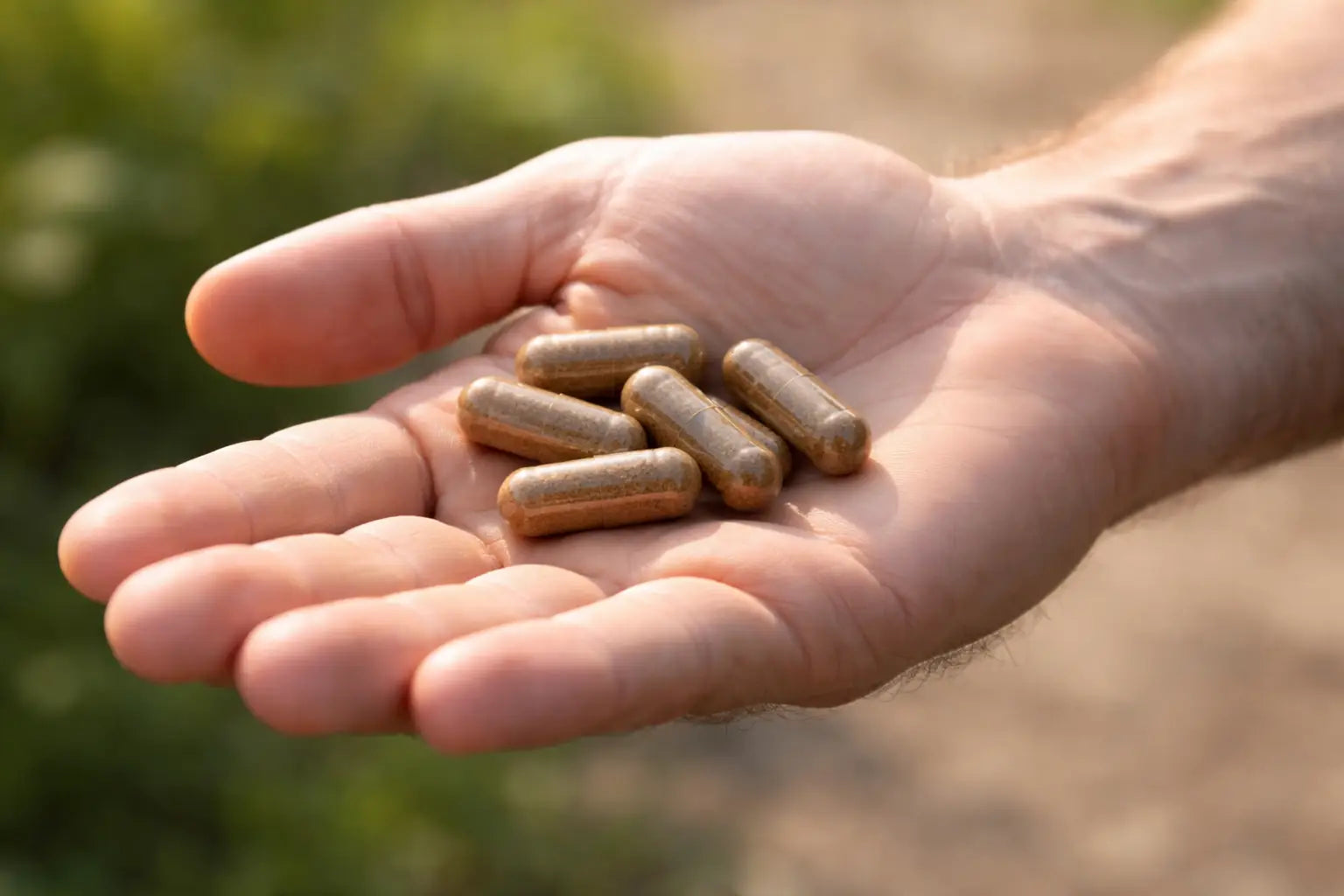


Tribulus terrestris is a plant-based supplement used for libido, heart health, and general wellness. Research shows it may support sexual desire in both men and women effectively. However, current evidence does not consistently confirm a direct testosterone-boosting effect in humans. Studies also suggest potential benefits for blood sugar and cholesterol management. Most tribulus supplements contain 45% to 60% saponins as their primary active compounds. Side effects are generally minimal, though consulting a healthcare provider before use is recommended. More human clinical trials are needed to fully confirm its wide-ranging health benefits.

Understanding Tribulus Terrestris: A Quick Overview
Tribulus Terrestris is a small, leafy plant found worldwide. Many people call it puncture vine, Gokshura, caltrop, or goat's head. This hardy herb thrives across Europe, Asia, Africa, and the Middle East. Its ability to grow in diverse climates makes it widely accessible.
Both the root and fruit hold value in traditional medicine. Practitioners of Traditional Chinese Medicine have used it for centuries. Indian Ayurveda medicine also recognizes this botanical for its therapeutic properties. These ancient healing systems helped shape its modern reputation.
Historically, people turned to this plant for several wellness purposes. It was commonly used to support a healthy libido naturally. Many also relied on it to maintain urinary tract health. Its traditional use for reducing swelling further expanded its appeal. These wide-ranging applications gave it a strong foundation in herbal medicine.
Today, tribulus is popular as a general health and wellness supplement. It appears frequently in natural testosterone support formulas. Fitness enthusiasts and health-conscious individuals often seek it out. Its growing presence in the supplement market reflects rising consumer interest.

Potential Benefits for Heart Health and Blood Sugar
Many people use tribulus mainly for sexual health and hormone support. However, researchers have explored its effects on other vital areas. Heart health and blood sugar regulation are two noteworthy examples. These findings have sparked growing interest in the broader wellness community.
One clinical study focused on 98 women diagnosed with type 2 diabetes. Participants took 1,000 mg of tribulus terrestris daily for observation. After three months, notable improvements were recorded in the supplement group. Those women showed lower blood sugar and cholesterol levels than placebo users. This suggests a possible role in supporting healthy metabolic function.
Animal studies have also pointed to encouraging cardiovascular benefits. Research indicates this herb may help reduce blood sugar levels effectively. It could also offer protection against damage to blood vessels. Additionally, findings suggest it may help prevent blood cholesterol from rising. These preclinical results add further weight to its potential health applications.
Despite these promising early results, more human research is necessary. Scientists need larger and longer studies to confirm these effects. This plant should not replace standard medical treatments at this time. Always consult a healthcare professional before adding any new supplement.

What Research Says About Tribulus and Testosterone
Many tribulus terrestris supplements on the market highlight testosterone support. This is one of the most common reasons people seek out this herb. However, the current scientific evidence presents a more nuanced picture. Understanding the research helps consumers make better informed decisions.
One major review examined results from 12 key studies on this plant. Participants included both men and women between ages 14 and 60. Study durations ranged from 2 to 90 days across various groups. Some participants were healthy while others experienced sexual health concerns. The review concluded that significant testosterone increases were not consistently observed.
Interestingly, some animal studies have shown a positive effect on testosterone levels. However, these results have not been reliably replicated in human trials. This gap between animal and human research is common across many supplements. It highlights the need for further well-designed clinical studies. As research continues to evolve, future findings may offer greater clarity.

How Tribulus May Support a Healthy Libido
Even without a direct testosterone boost, tribulus may support sexual desire. Research into its libido-enhancing potential has shown some encouraging results. This makes it a popular choice for those seeking natural wellness support.
In one study, men with reduced sex drives took 750 to 1,500 mg daily. After two months, participants reported a 79% increase in sexual desire. This outcome suggests meaningful benefits for male sexual health and vitality.
Women have also shown positive responses in clinical settings. About 67% of women with very low libidos experienced improved sexual desire. They consumed between 500 and 1,500 mg daily over a 90-day period. Additional studies confirmed enhanced arousal and satisfaction in women with low libido. These findings point to broad potential across both genders.
Results for men dealing with erectile dysfunction have been more varied. One study found that 800 mg per day did not significantly improve outcomes. However, a separate study using 1,500 mg daily reported notable improvements. Participants in the higher-dose group experienced better erections and greater satisfaction. Dosage and individual response may play important roles in effectiveness.
Overall, early evidence suggests tribulus could help improve libido in both genders. However, more research is still needed to fully understand its effects. Continued clinical trials will help define optimal dosages and long-term benefits. Consulting a healthcare provider is always recommended before starting supplementation.

Other Areas of Emerging Research
Beyond the benefits already discussed, tribulus terrestris has sparked additional scientific curiosity. Early studies have explored a range of other potential effects in the body. While still preliminary, these areas of research are worth noting.
Some research suggests this plant may act as a natural diuretic. This means it could help promote urine production and support fluid balance. Animal studies have also indicated possible benefits for immune system activity. Rats given the supplement showed signs of increased immune response.
In the area of brain health, tribulus appeared in a multi-ingredient supplement study. That research observed potential antidepressant effects in mice, which warrants further exploration. Separate test-tube research has pointed to possible anti-inflammatory properties as well. These early cellular-level findings are drawing attention from the scientific community.
Additional animal studies have explored its potential role in pain relief. High doses appeared to provide some analgesic effects in rat models. Test-tube research has also suggested possible anti-cancer properties for this herb. These preliminary findings open the door to exciting future investigations.
It is important to note that most of these effects come from animal or test-tube studies. The current evidence base remains quite limited at this stage. Significantly more research in both animal and human trials is necessary. As science advances, a clearer picture of these potential benefits may emerge. These early findings highlight why tribulus continues to attract researcher interest.

Recommended Dosage, Safety, and Possible Side Effects
Researchers have used a wide range of dosages in tribulus terrestris studies. The ideal amount can vary depending on the intended health goal. Understanding these dosage ranges can help guide informed supplementation choices.
Studies focused on blood sugar support typically used 1,000 mg per day. Research exploring libido enhancement used doses between 250 and 1,500 mg daily. These ranges reflect the diversity of study designs across the research landscape.
Some studies based their dosages on individual body weight instead. These trials commonly used 4.5 to 9 mg per pound of body weight. That translates to roughly 10 to 20 mg per kilogram for reference. For example, a person weighing 155 pounds might take 700 to 1,400 mg daily. Adjusting dosage by body weight may help personalize the supplementation experience.
As with any dietary supplement, speaking with a healthcare professional is recommended. A qualified provider can help determine the right dosage for your needs. Starting with a lower dose and adjusting gradually is a common approach.
Understanding Saponins in Tribulus Terrestris
Saponins are naturally occurring chemical compounds found in tribulus terrestris. These active compounds are widely believed to drive the plant's health benefits. They play a central role in how this herb interacts with the body.
Many supplement labels list the dosage alongside a saponin percentage. This percentage indicates how much of the formula consists of these active compounds. It serves as a helpful indicator of the supplement's overall potency and concentration.
Most tribulus terrestris supplements contain between 45% and 60% saponins. A higher saponin percentage means the supplement is more concentrated overall. In such cases, a lower dosage may be sufficient to achieve desired effects. Paying attention to saponin content can help consumers choose the right product. It also ensures a more tailored and effective supplementation routine.

Side Effects and Safety Considerations
Multiple studies using various dosages have reported minimal side effects overall. No major safety concerns have been identified across the majority of research. This general safety profile is encouraging for those considering supplementation.
In rare cases, some individuals have experienced minor stomach cramps or reflux. These uncommon effects were typically mild and did not persist long-term. Most participants in clinical trials tolerated the supplement well without complications.
One animal study did raise a concern about potential kidney-related effects in rats. Additionally, a single case of toxicity was reported in a man using it preventatively. That individual had been taking it specifically to help prevent kidney stones. These isolated findings underscore the importance of responsible usage and awareness.
Overall, the majority of available research does not indicate harmful side effects. However, weighing both potential risks and benefits is always a wise approach. Every individual may respond differently based on their unique health profile. Speaking with a healthcare provider before use is strongly recommended. A qualified professional can help determine whether this supplement aligns with your wellness goals.
Final Thoughts on Tribulus Terrestris
Tribulus terrestris remains one of the most widely discussed herbal supplements available today. Its long history in traditional medicine continues to fuel modern scientific interest. Current research highlights its strongest potential in supporting a healthy libido. Both men and women have shown positive responses in clinical studies on sexual desire. Its possible benefits for heart health and blood sugar management also deserve attention. However, the evidence for testosterone boosting and exercise performance remains limited at this stage.
Saponin content plays a key role in determining supplement quality and potency. Choosing a product with the right concentration can make a real difference. As with any supplement, individual results may vary based on personal health factors. Always consult a qualified healthcare provider before beginning any new regimen. Staying informed through credible, evidence-based research is the best approach. As more clinical trials emerge, a clearer understanding of this herb's full potential will follow.
Frequently Asked Questions About Tribulus Terrestris
What is tribulus terrestris commonly used for?
Tribulus terrestris is primarily used as a natural supplement for libido support. It also appears in products marketed for heart health and general wellness. Traditional medicine systems have used it for centuries to address various health concerns. Its most researched benefit relates to enhancing sexual desire in both men and women.
What dosage of tribulus terrestris do studies recommend?
Study dosages have ranged from 250 to 1,500 mg per day depending on the goal. Some trials based dosing on body weight, using 10 to 20 mg per kilogram. Starting with a lower dose and adjusting gradually is a widely recommended approach. A healthcare provider can help determine the right amount for your individual needs.
Are there any side effects associated with tribulus terrestris?
Most studies report minimal side effects from tribulus terrestris supplementation. Rare cases have included mild stomach cramps or acid reflux. One animal study raised concerns about potential kidney-related effects at high doses. Speaking with a healthcare professional before use is always a wise precaution.
What are saponins and why do they matter in tribulus supplements?
Saponins are naturally occurring active compounds found in the tribulus plant. They are believed to be responsible for many of the herb's potential health benefits. Most supplements contain between 45% and 60% saponins by concentration. A higher saponin percentage means the product is more potent and may require a smaller dose.
Can women take tribulus terrestris safely?
Yes, several clinical studies have included female participants with positive outcomes. Women with low libido reported improved sexual desire after 90 days of supplementation. Research also explored its effects on blood sugar in women with type 2 diabetes. As always, women should consult a healthcare provider before starting any new supplement.